We are processing your request.
Please, don’t close or refresh the page.
Home Art Gallery Of Ontario What To See
Art Gallery of Ontario on Dundas Street West, Toronto

Art Gallery of Ontario: What to See

Yayoi Kusama's Infinity Mirrored Room, Rubens' Massacre of the Innocents, Tom Thomson and the Group of Seven, the world's largest public Henry Moore collection and one of the great Inuit art collections. Where each highlight is and how to plan your route through the AGO.

The Art Gallery of Ontario is big enough to lose a whole day in, and its collection of more than 120,000 works runs from medieval Europe to contemporary installations, from Canadian landscapes to Inuit sculpture. Most first-time visitors come with a short list: the Kusama Infinity Mirrored Room, Rubens' The Massacre of the Innocents, Tom Thomson and the Group of Seven, and the Henry Moore sculptures. This guide tells you what each of those is, where to find it and what else is worth stopping for on the way, then gives you a simple route through the building. For tickets, see the Art Gallery of Ontario ticket page; for transport and timings, our AGO visitor guide has the practical details.

Art Gallery of Ontario: Entry Ticket

Highlights

Browse a collection ranging from contemporary works to European masterpieces.

See powerful pieces by Indigenous and Canadian artists.

Explore rotating exhibitions and programs reflecting diverse, global perspectives.

Stop by the AGO Bistro for locally inspired cuisine after your visit.
The AGO's highlights: key facts

The AGO collection holds more than 120,000 works, including more than 70,000 photographs.

Yayoi Kusama's INFINITY MIRRORED ROOM - LET'S SURVIVE FOREVER is on Level 2, with visits of 60 seconds for up to four people.

Ken Thomson's gift of about 2,000 works is the largest ever made to a Canadian cultural institution.

The Thomson Collection includes some 300 works by Tom Thomson and the Group of Seven and 145 paintings by Cornelius Krieghoff.

The Henry Moore Sculpture Centre, opened in 1974, holds the largest public collection of Moore's work in the world.

The Inuit collection includes about 2,800 sculptures, 1,300 prints and 700 drawings and wall hangings.

Frank Gehry's Transformation AGO opened on November 14, 2008.

Yayoi Kusama's Infinity Mirrored Room

Gallery interior at the Art Gallery of Ontario

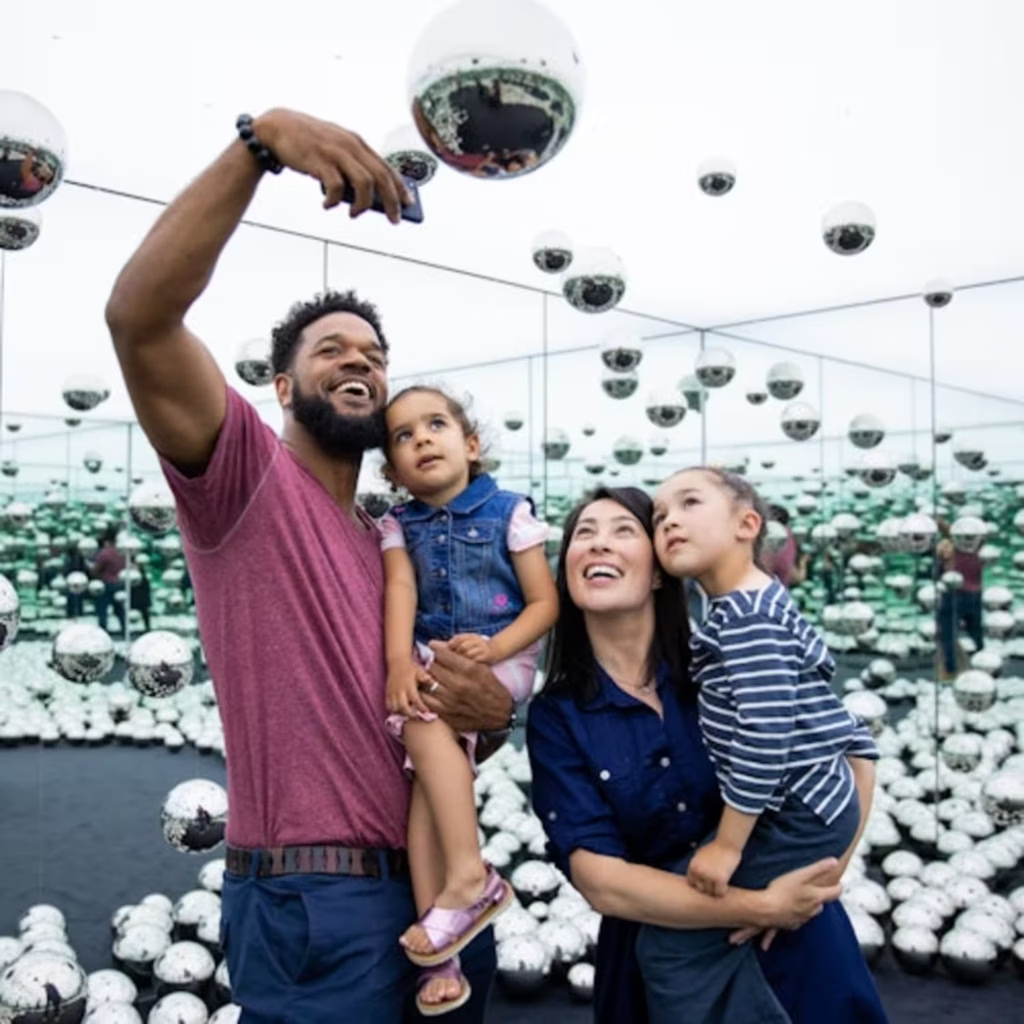
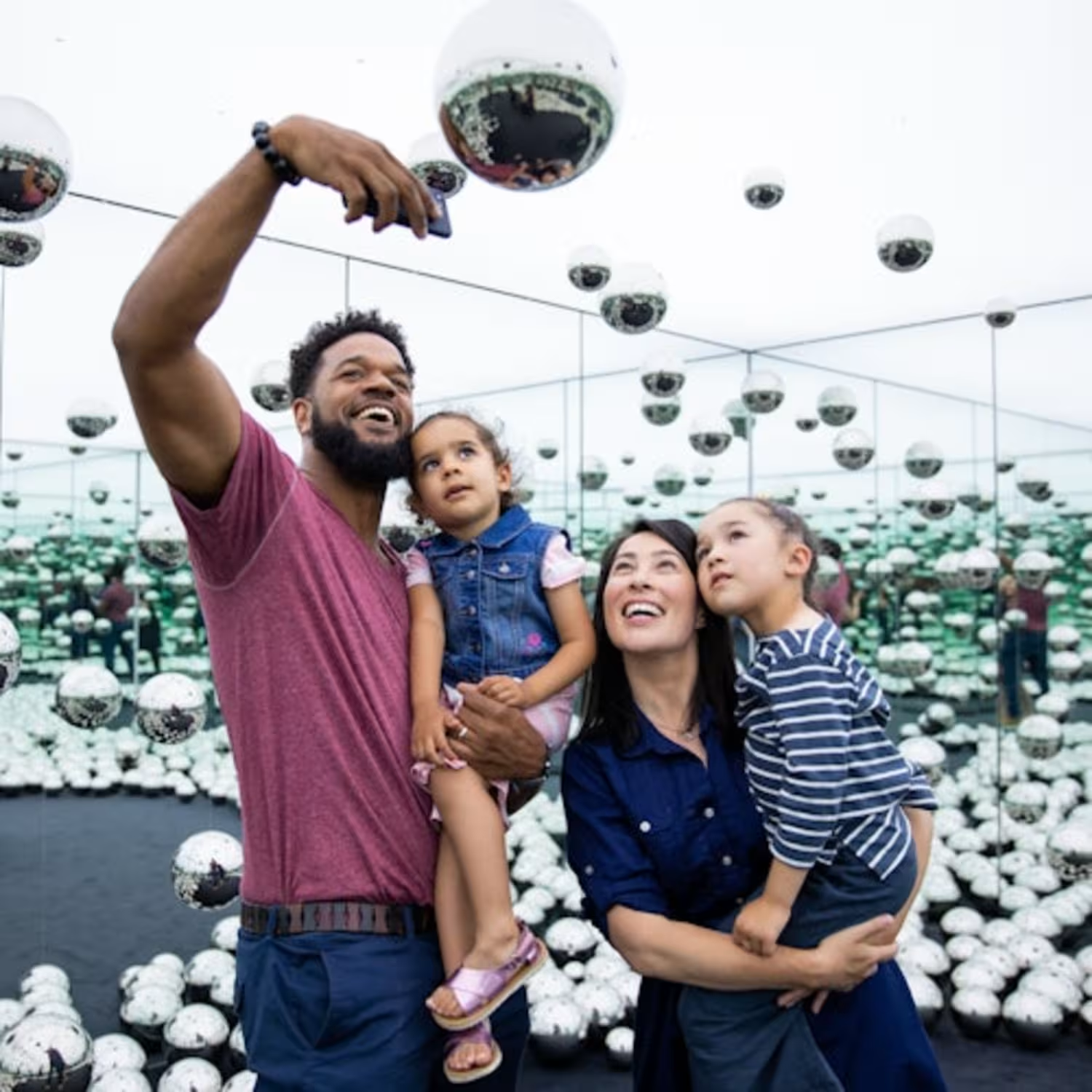
The most asked-about work in the building is INFINITY MIRRORED ROOM - LET'S SURVIVE FOREVER (2017) by Yayoi Kusama. It is installed in the Sam and Ayala Zacks Pavilion on Level 2. Inside, mirrored spheres hang from the ceiling and sit on the floor around a mirrored column, so your reflection repeats in every direction.

Visits last 60 seconds, with up to four people in the room at a time. Entry is included in general admission on a first-come, first-served basis, so there is no separate ticket to buy, but there can be a line at busy times; go early in your visit if it is your priority. Next to the room you can watch Earth is a Polka Dot (2011), an eight-minute interview with Kusama.

The AGO bought the work in 2018 through a crowdfunding campaign supported by more than 4,700 donors, which is why it is now part of the permanent collection rather than a touring show.

The Thomson Collection: Rubens, Krieghoff and the ship models

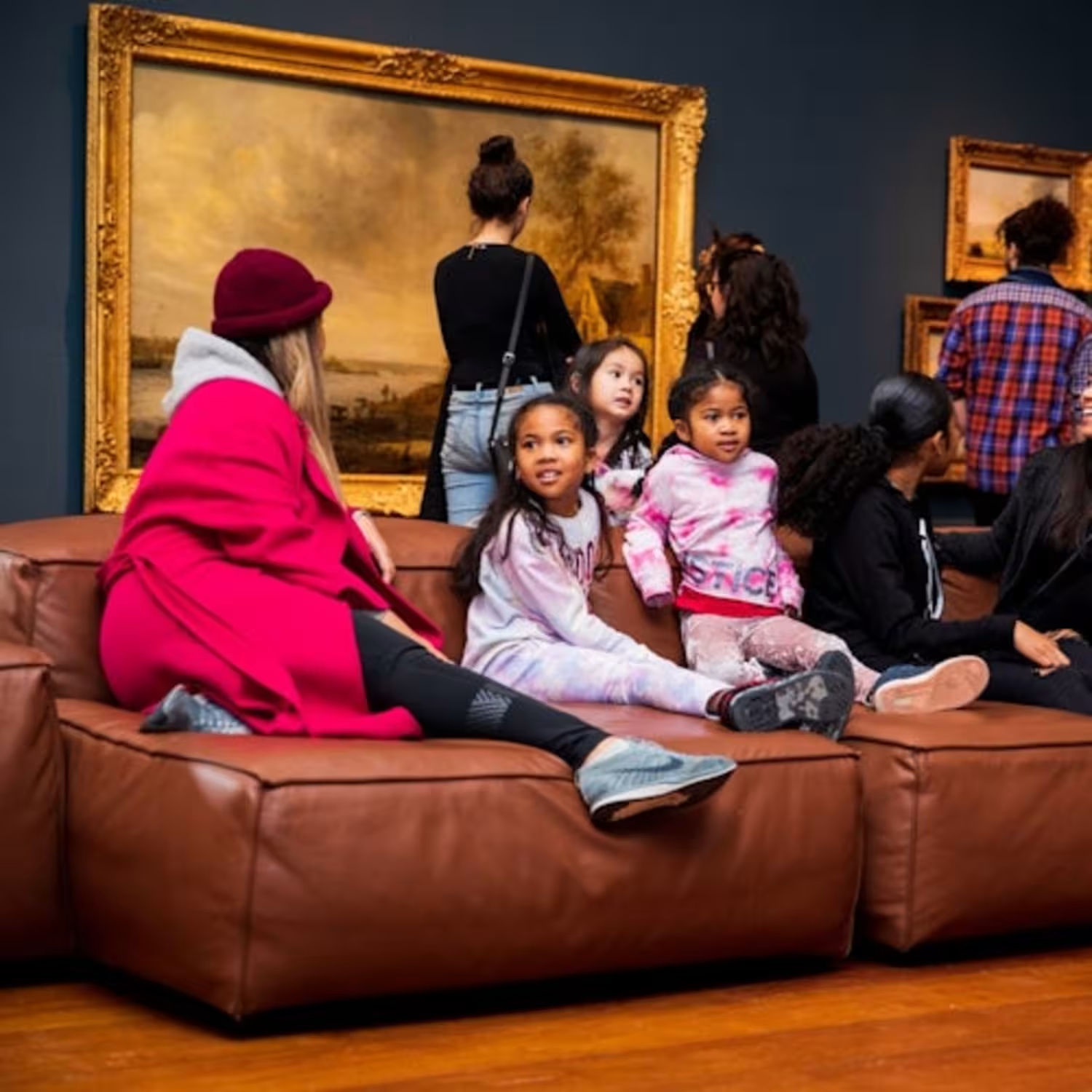
European art galleries at the AGO, Toronto

Much of what visitors come to see belongs to one gift. In January 2004 Ken Thomson donated about 2,000 works to the AGO, the largest gift ever made to a Canadian cultural institution. It covers Canadian art from the 19th to the mid-20th century, European painting and sculpture, and decorative arts.

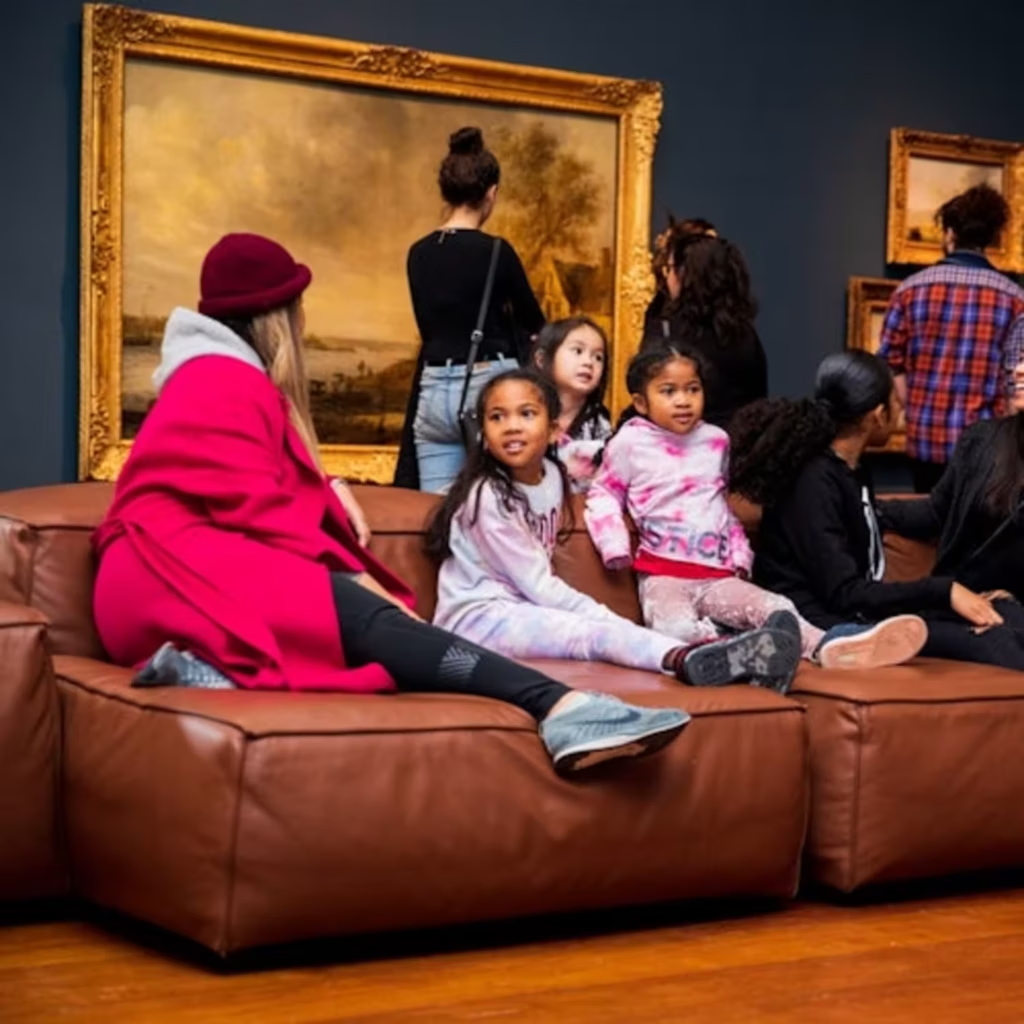
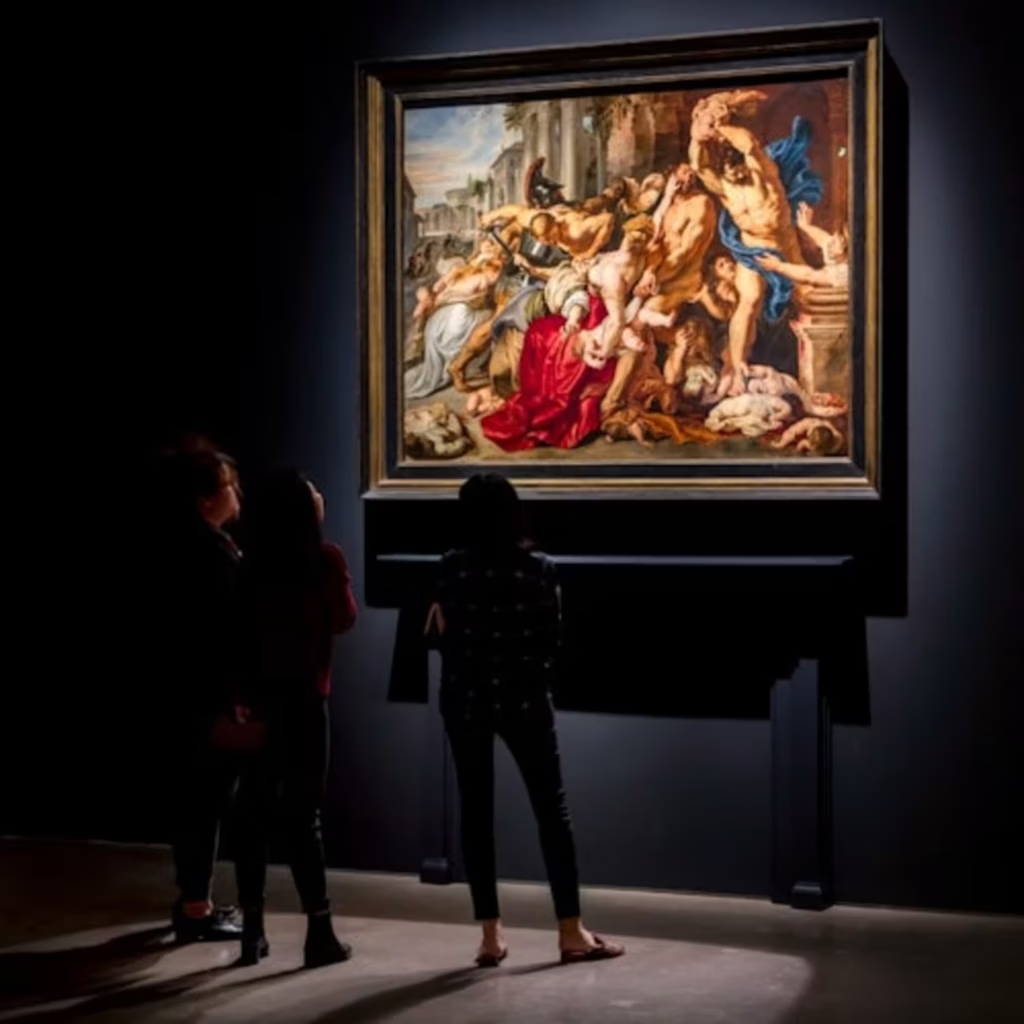
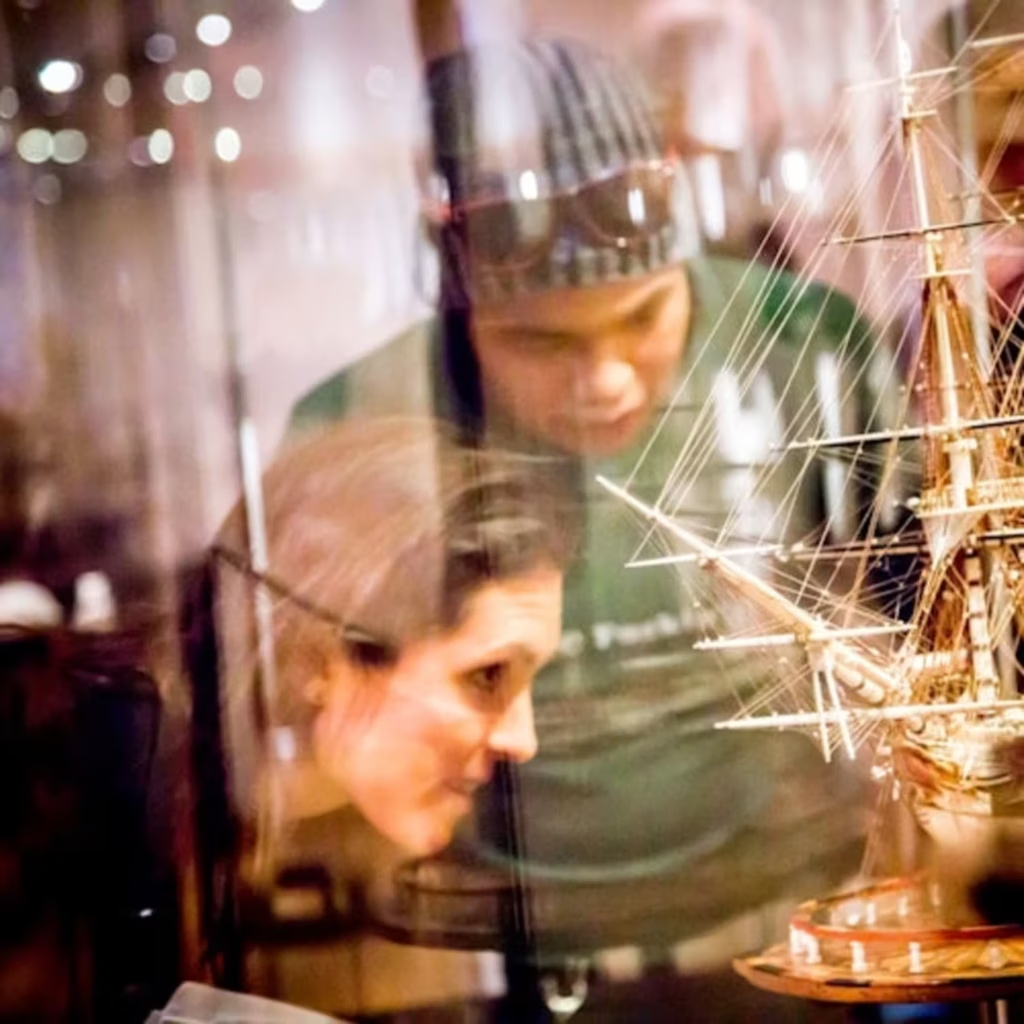
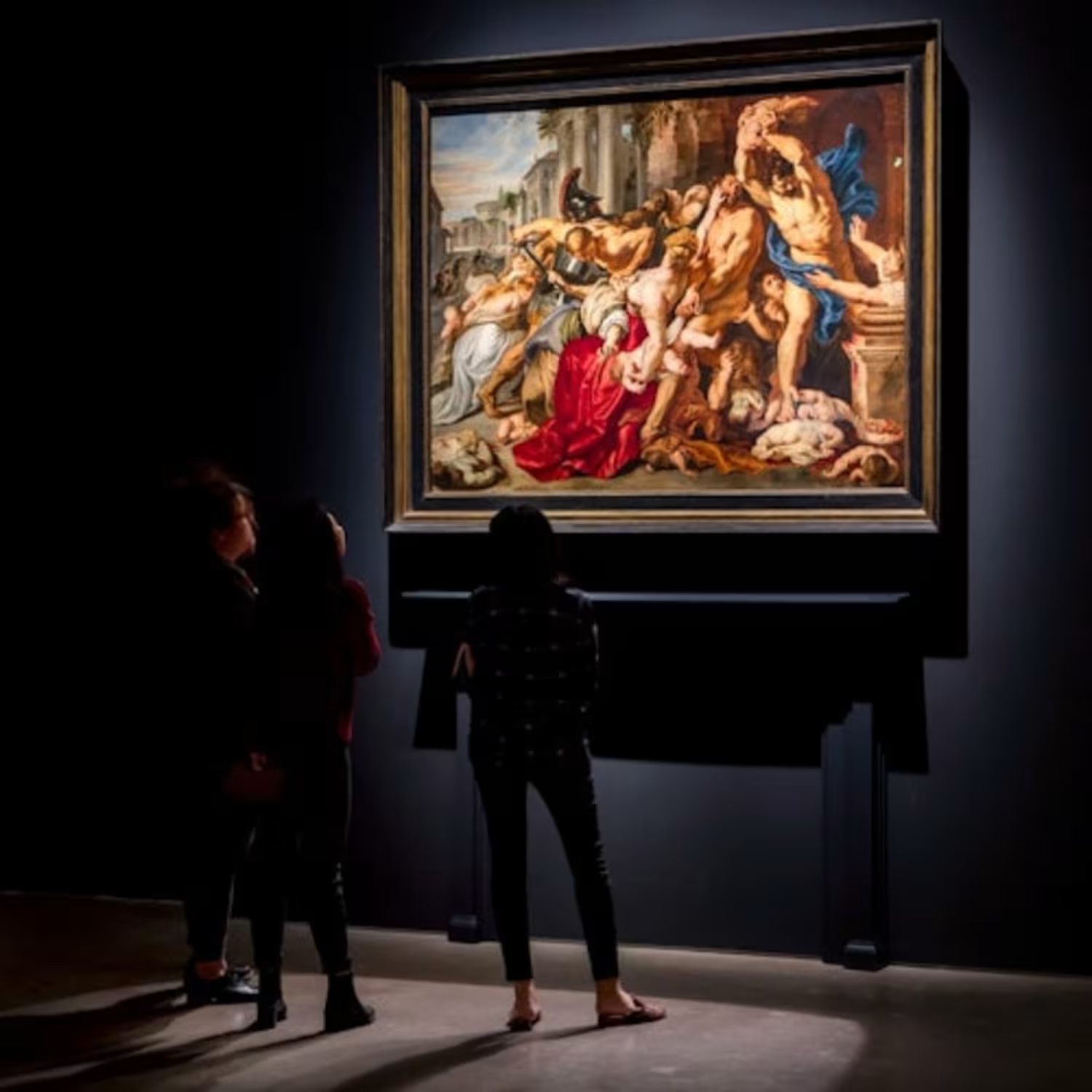
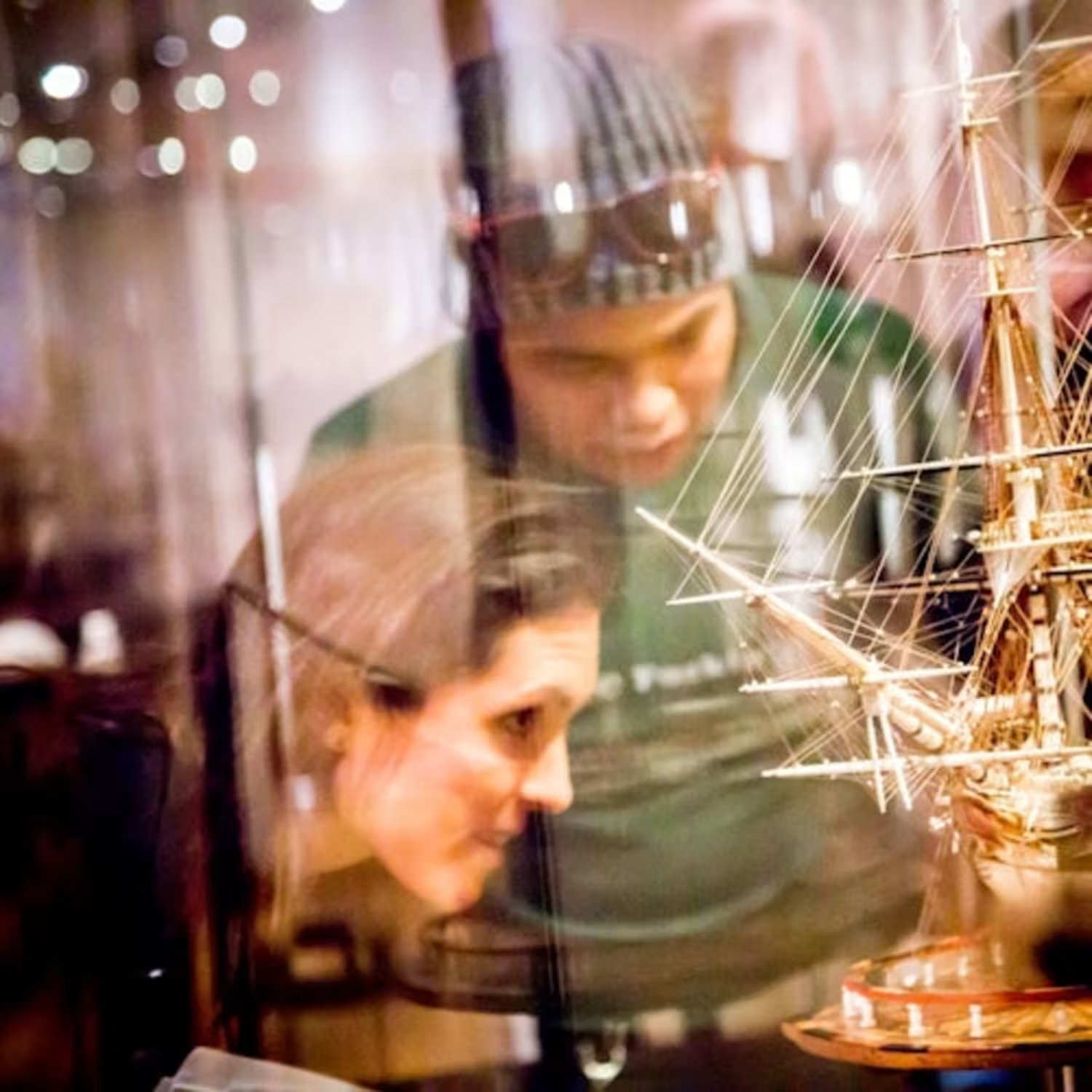
The headline European work is Peter Paul Rubens' The Massacre of the Innocents, painted around 1610, which Thomson bought in 2002 for C$115 million and which the AGO calls the highlight of its European collection. The gift also includes 145 paintings by Cornelius Krieghoff, the 19th-century painter of Quebec life, and 130 ship models, mainly British, from the 17th century through the Napoleonic era to the 20th century, a part of the gallery many visitors walk past and later wish they had seen.

Elsewhere in the European collection, which runs from the Middle Ages to the early 1900s, look for Rembrandt's Portrait of a Lady with a Lap Dog and Albrecht Dürer's engraving Adam and Eve (1504).

Canadian art: Tom Thomson, the Group of Seven and Emily Carr

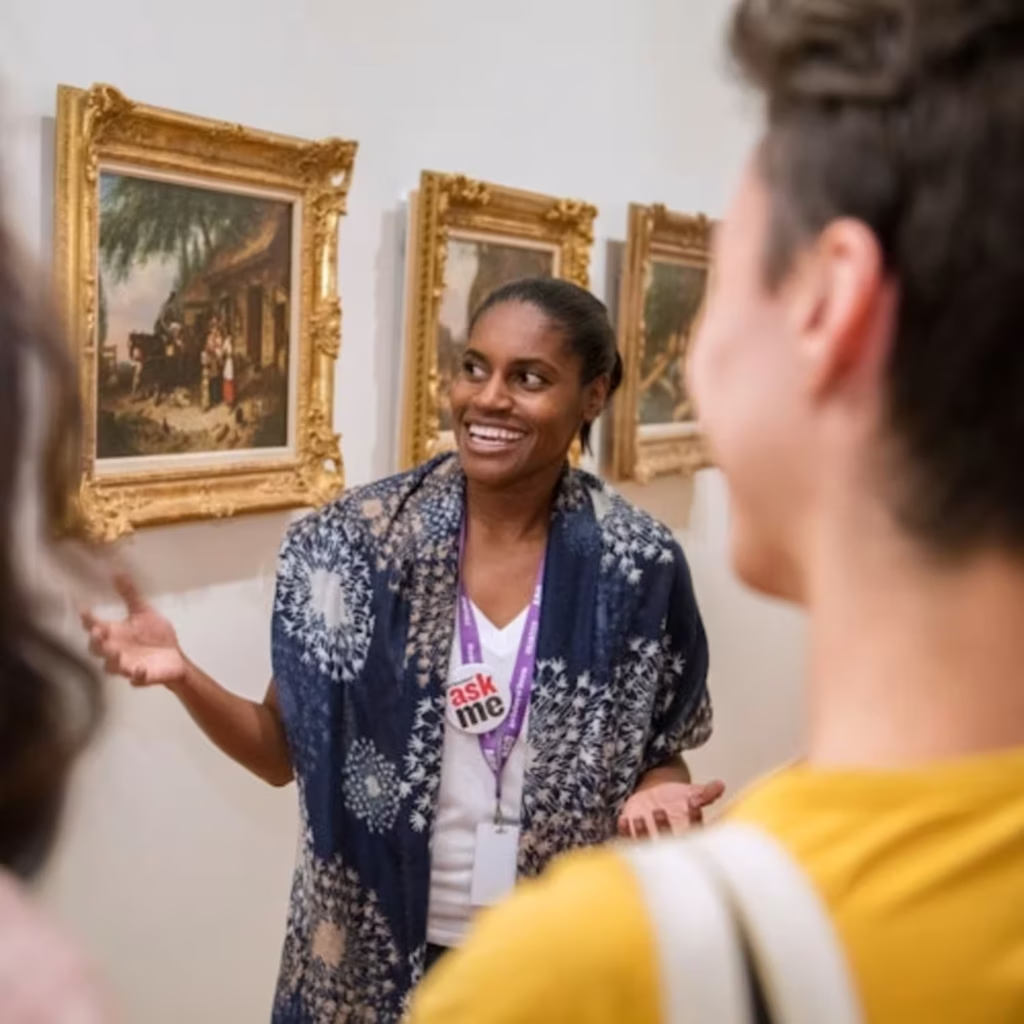
Canadian art at the Art Gallery of Ontario

The AGO describes its historical Canadian collection as outstanding, with a particular focus on Toronto and Ontario. The Thomson Collection of Canadian art is shown on Level 2, with Group of Seven works there and signature pieces on Level 1 as well. The Thomson gift alone added some 300 works by Tom Thomson and the Group of Seven.

The painting most people look for is Tom Thomson's The West Wind (1916 to 1917), the wind-bent pine over a northern lake that has become one of the best-known images in Canadian art. When it was shown in the J.S. McLean Centre for Indigenous and Canadian Art, the AGO placed Anishinaabe pouches beside it, to show how two peoples saw the same northern Ontario landscape. Look out too for Emily Carr's Church at Yuquot Village (1929) and Florence Carlyle's The Tiff.

The Indigenous collection covers First Nations, Inuit and Métis art, and the AGO calls its Inuit holdings one of the largest and finest Inuit art collections in the world, with about 2,800 sculptures, 1,300 prints and 700 drawings and wall hangings.

The Henry Moore Sculpture Centre

Sculpture gallery at the Art Gallery of Ontario

The AGO holds the largest public collection of Henry Moore artworks in the world. The Henry Moore Sculpture Centre opened on October 26, 1974, after Moore gave the gallery around 300 pieces, almost his entire personal collection. Seeing so many of his works in one place shows how his ideas developed from one piece to the next.

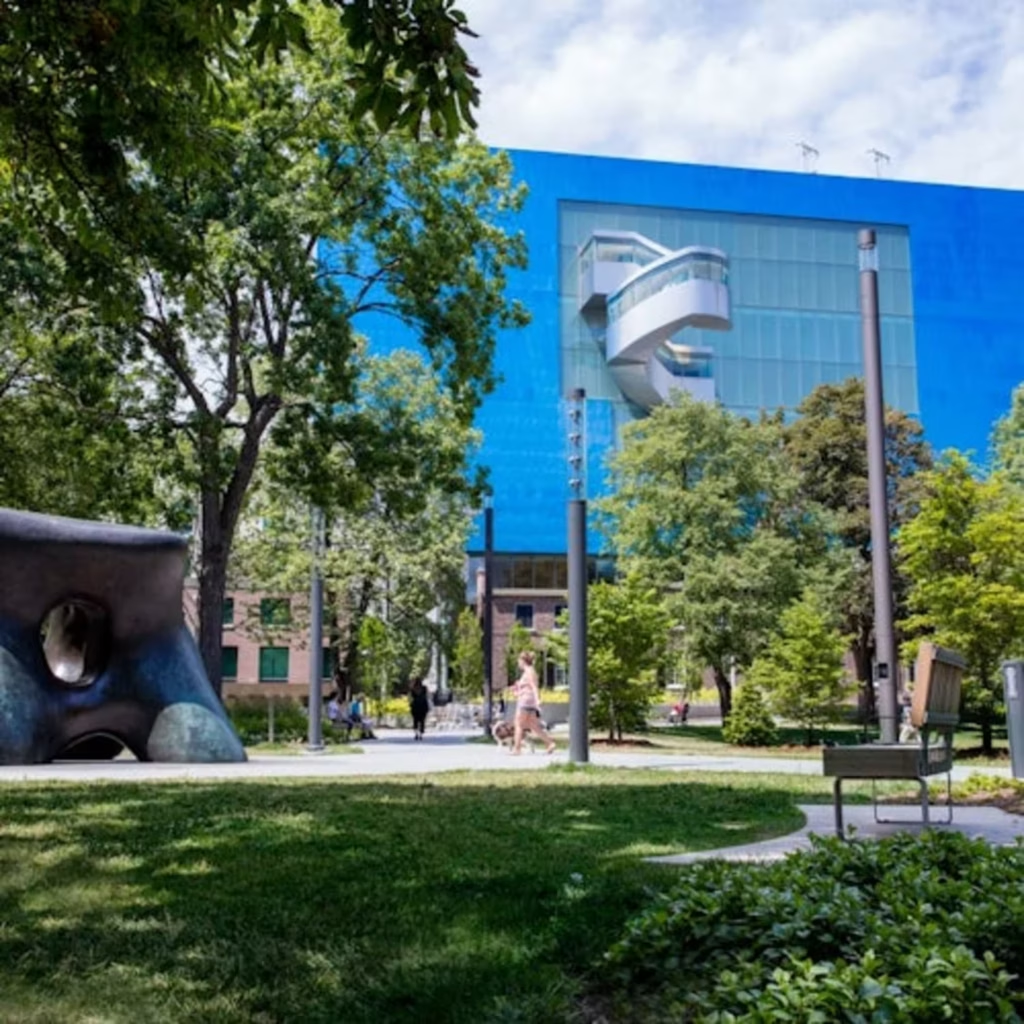
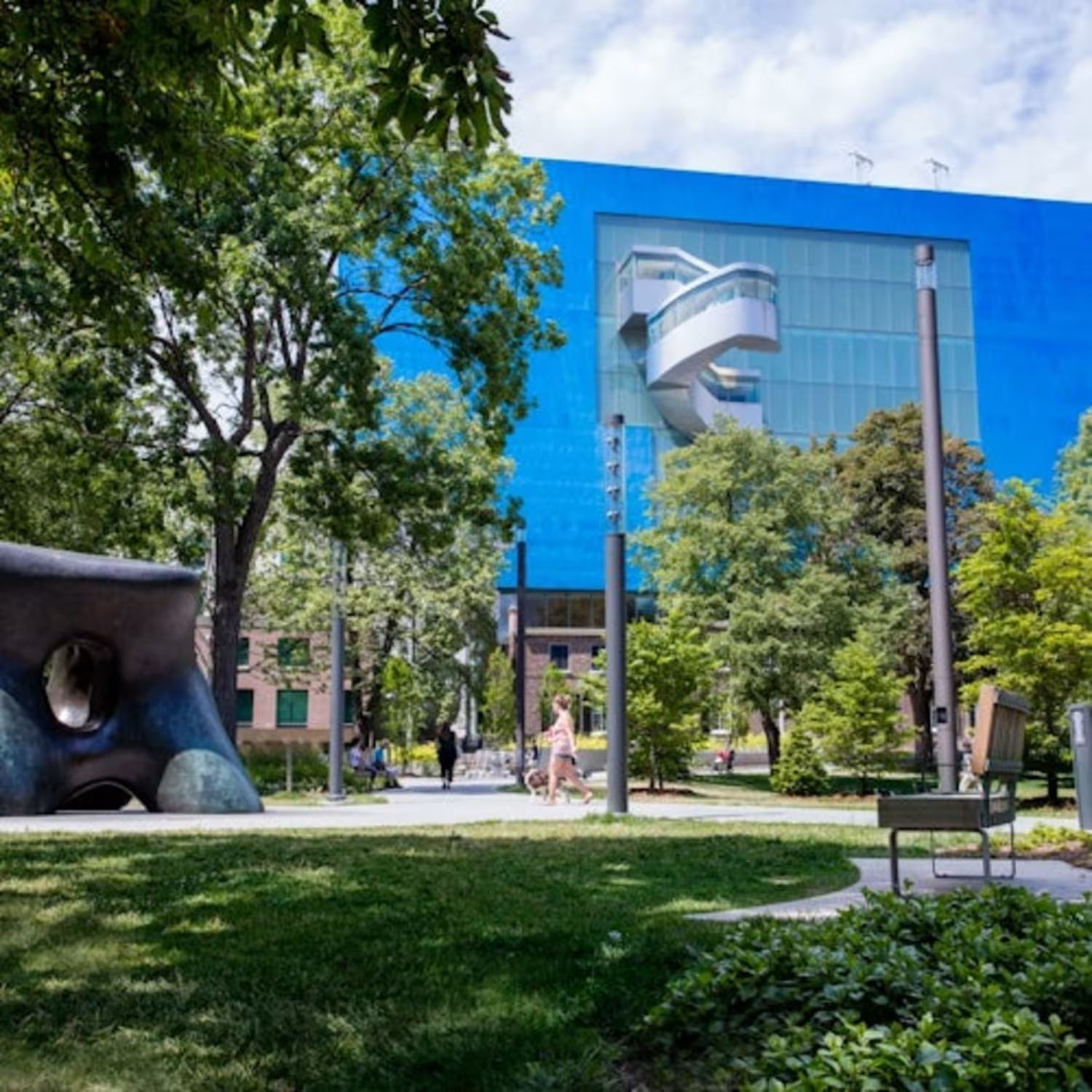
You do not need to be inside to meet Moore. His bronze Large Two Forms (1966 to 1969) stands outside in Grange Park, behind the gallery, and is free to see. It was moved there from the corner of Dundas and McCaul in 2017, and on a fine day it is worth walking round it before or after your visit.
Gehry's building and The Grange

Architecture of the Art Gallery of Ontario

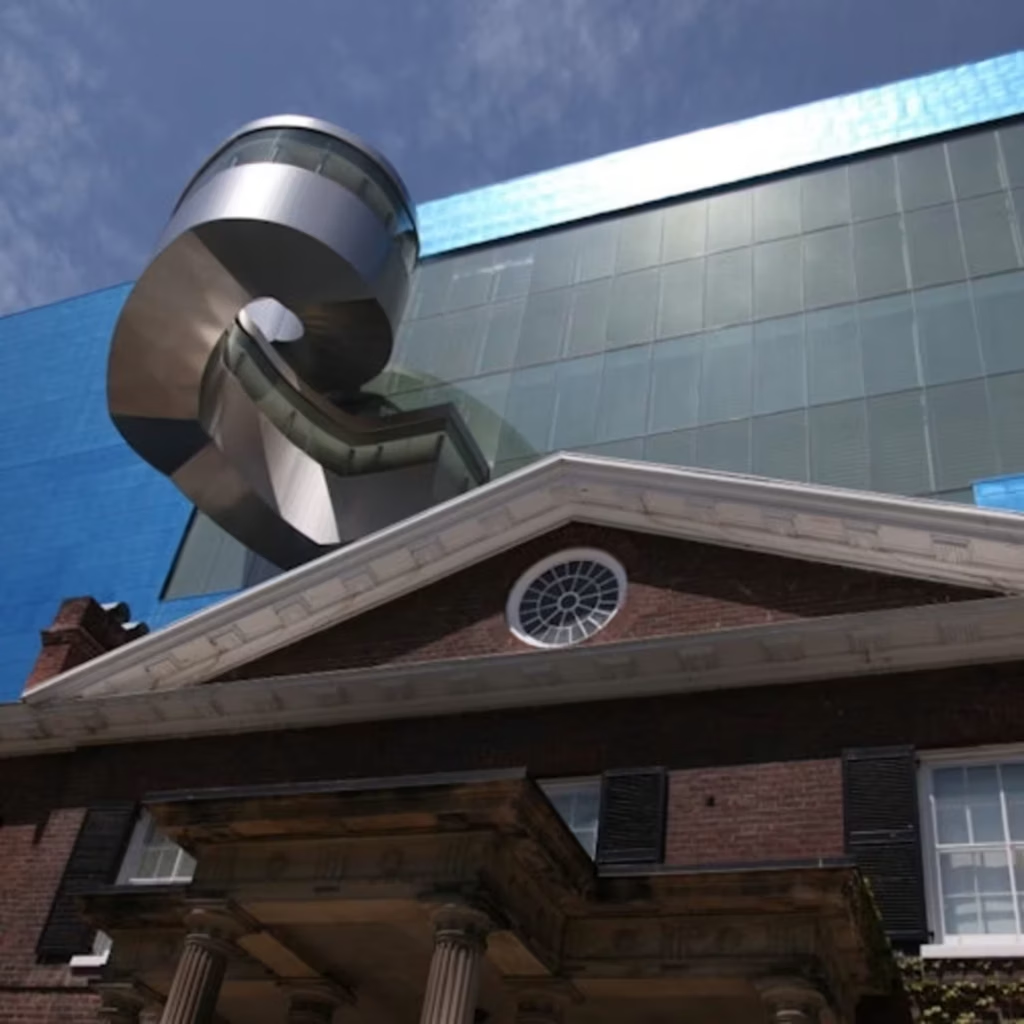
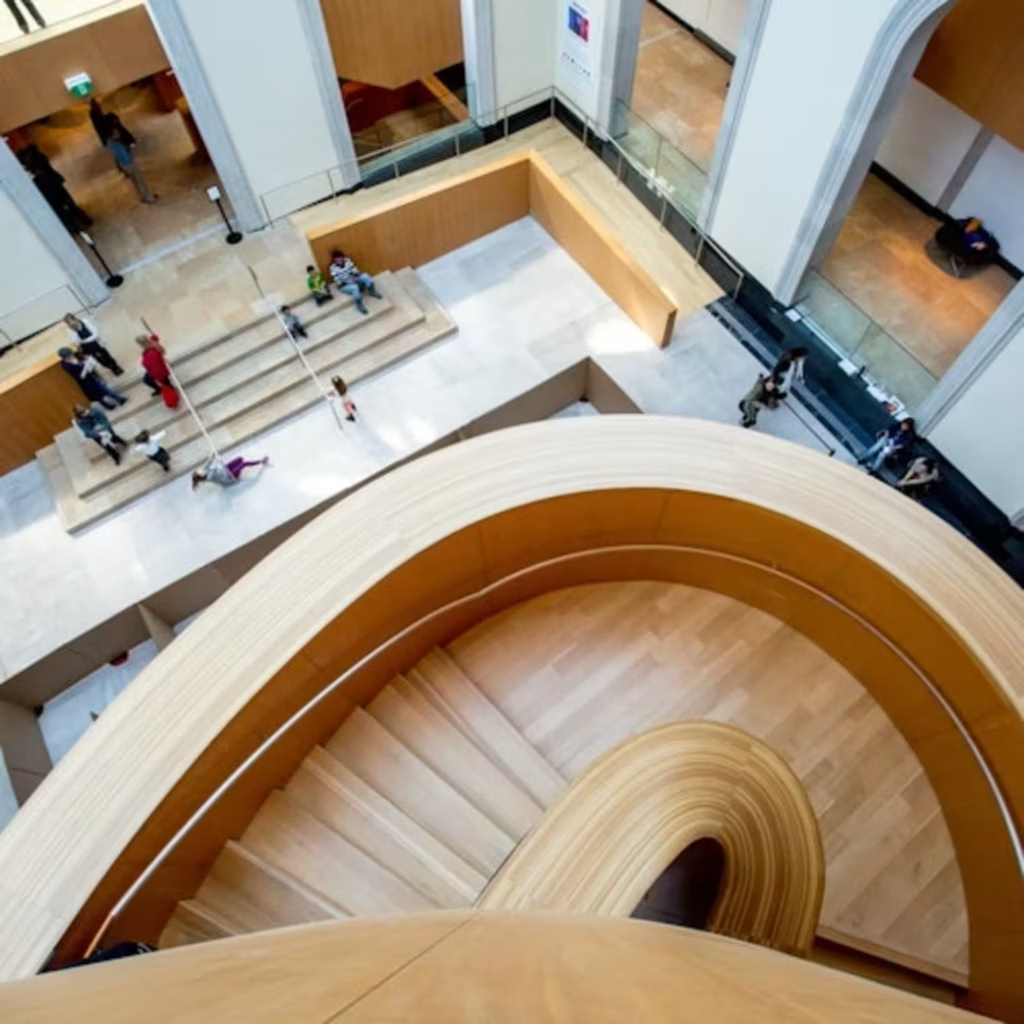
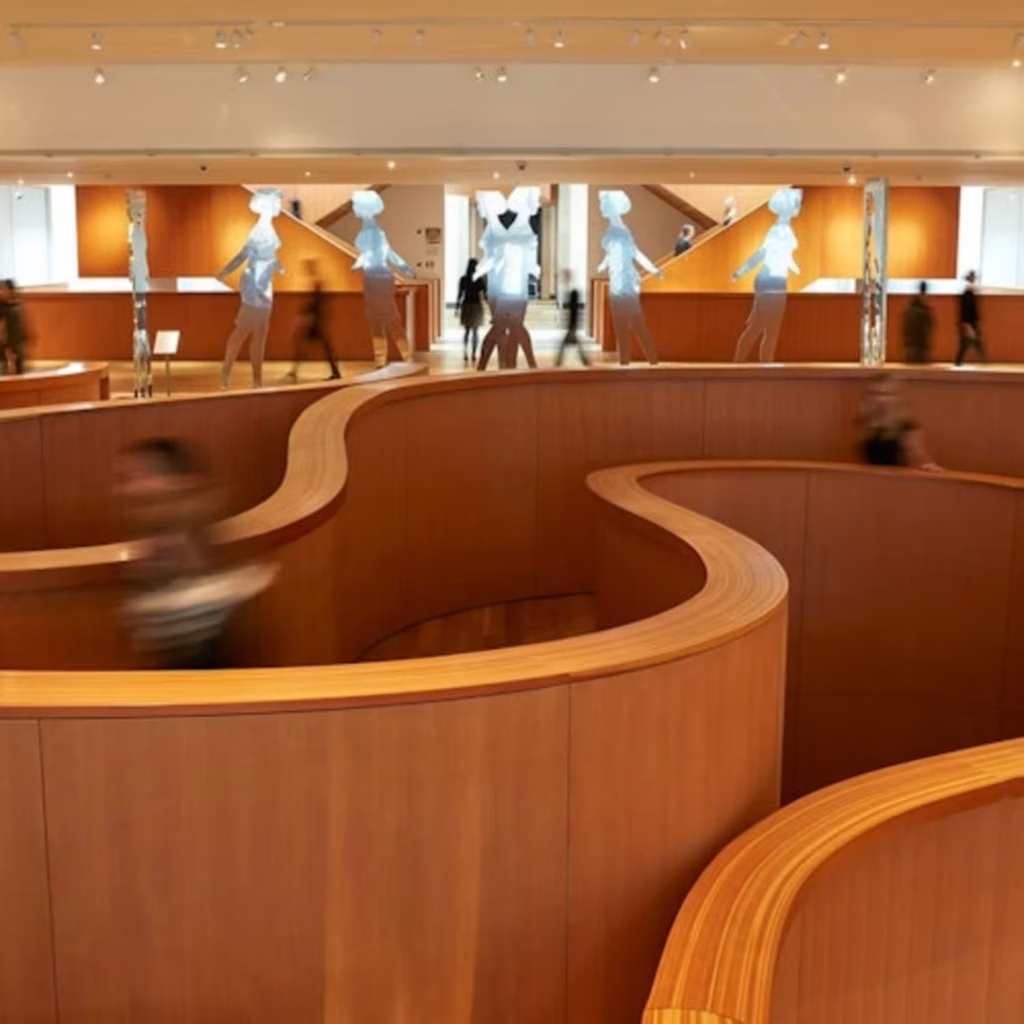
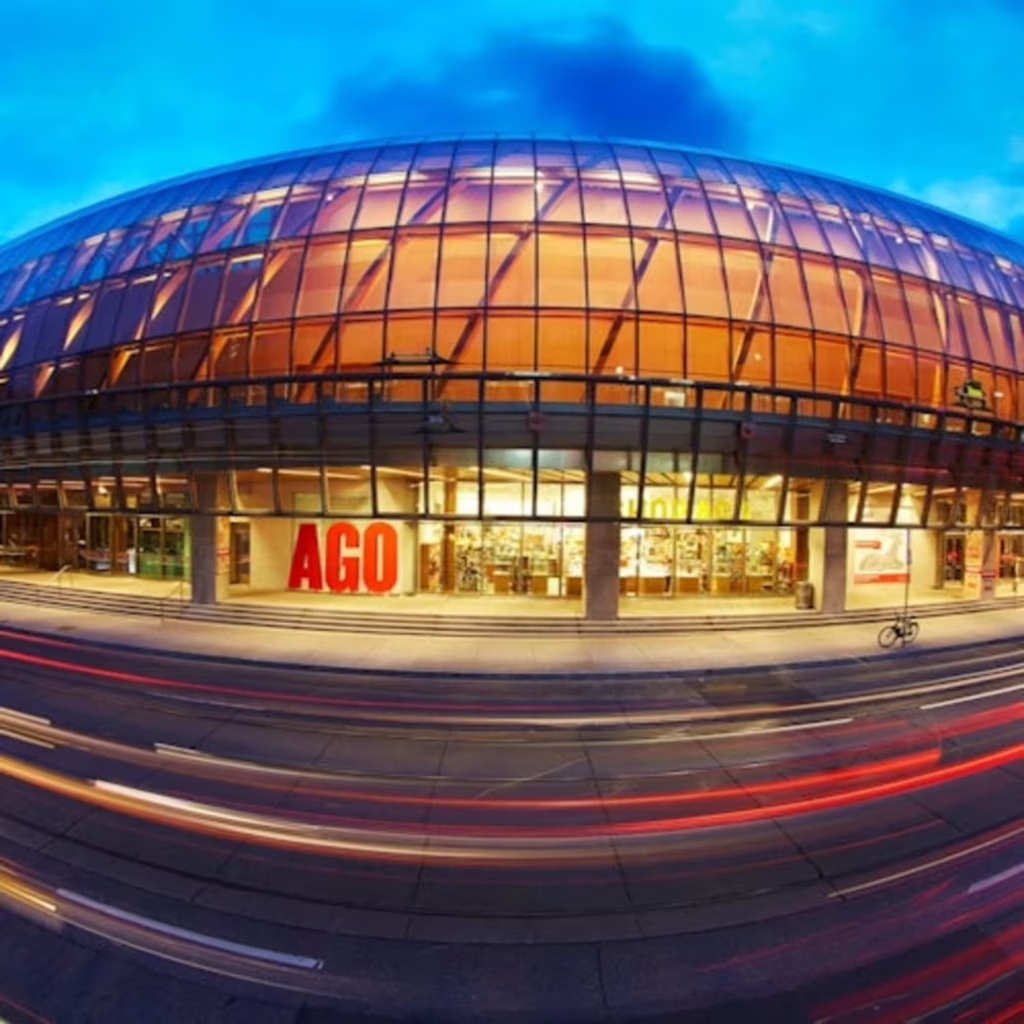
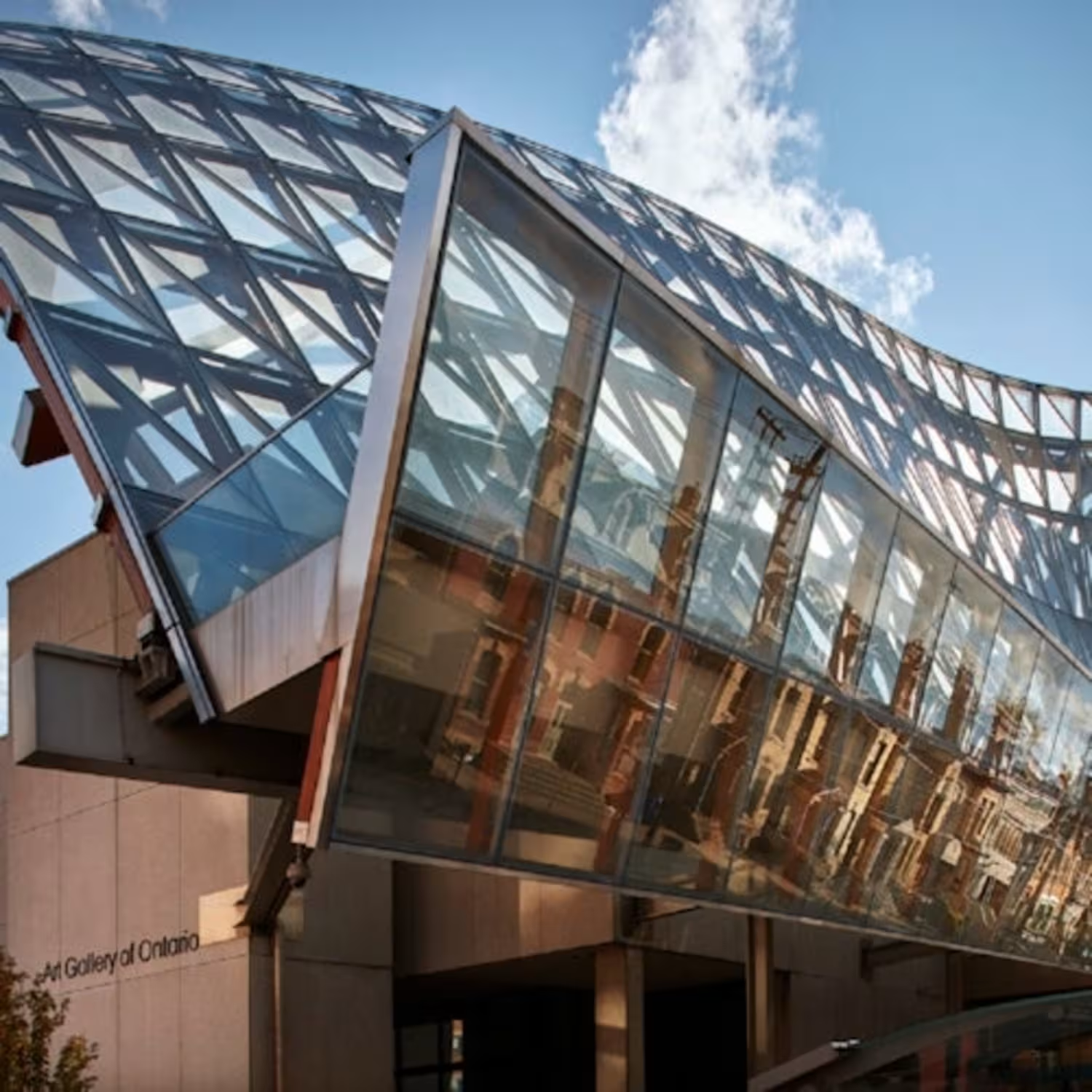
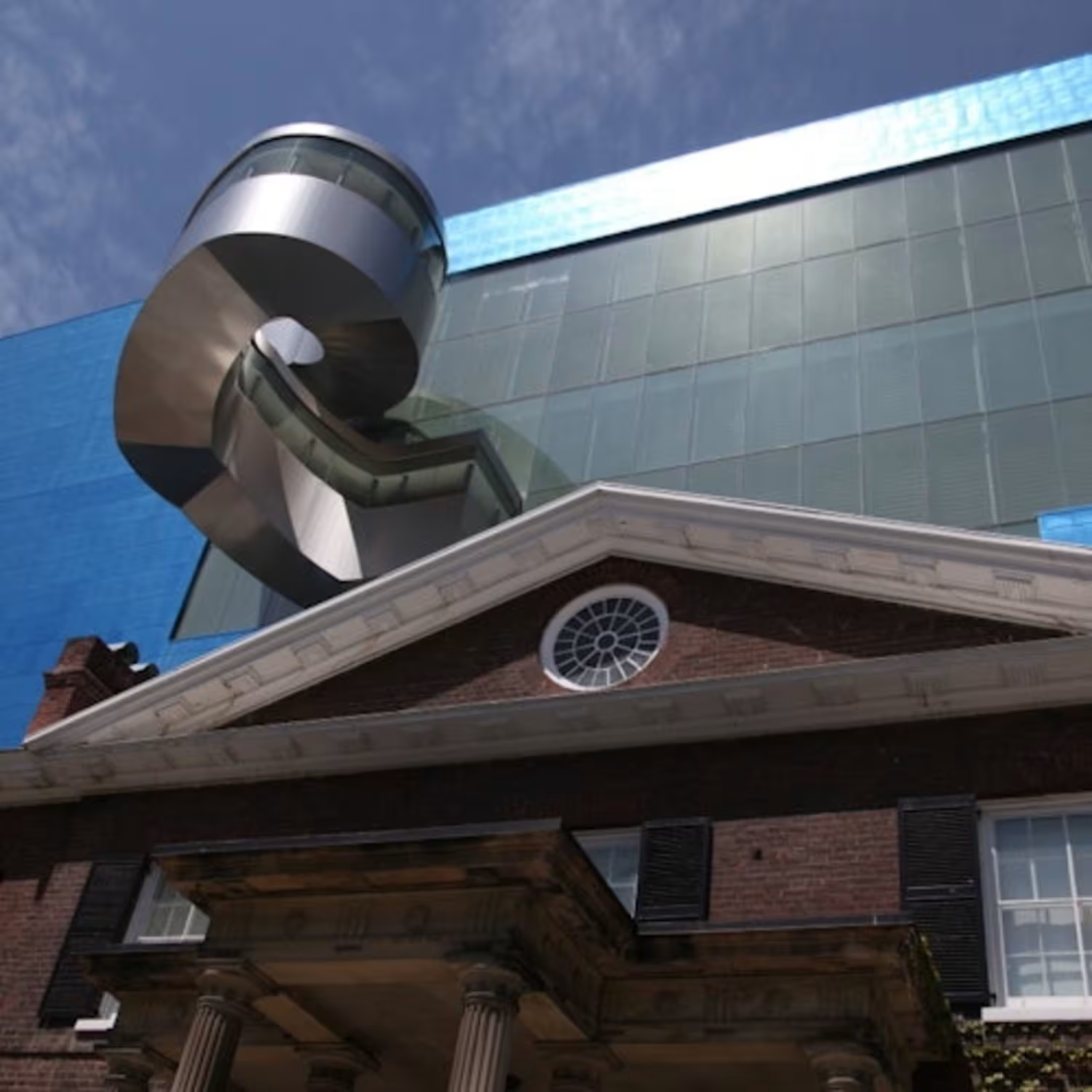
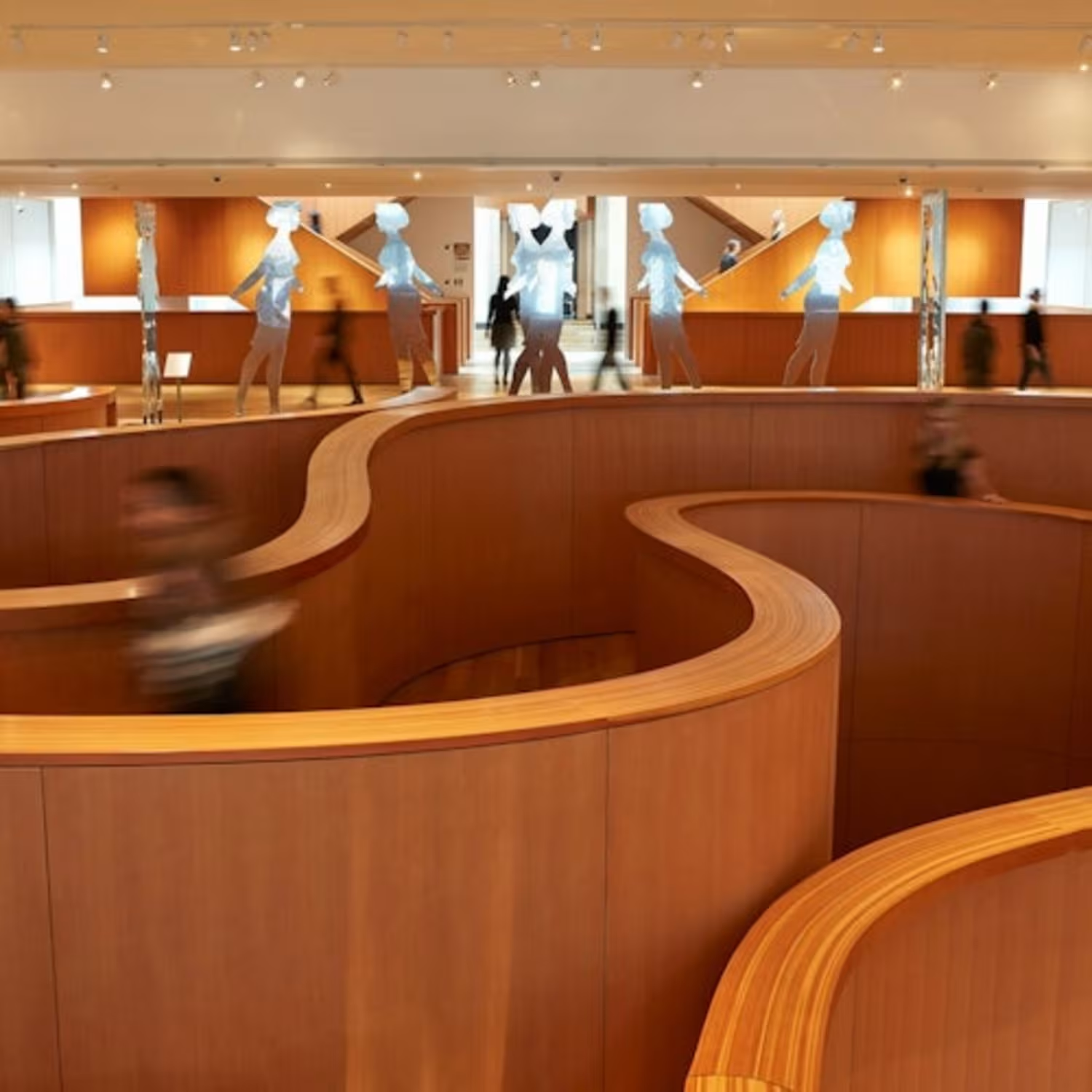
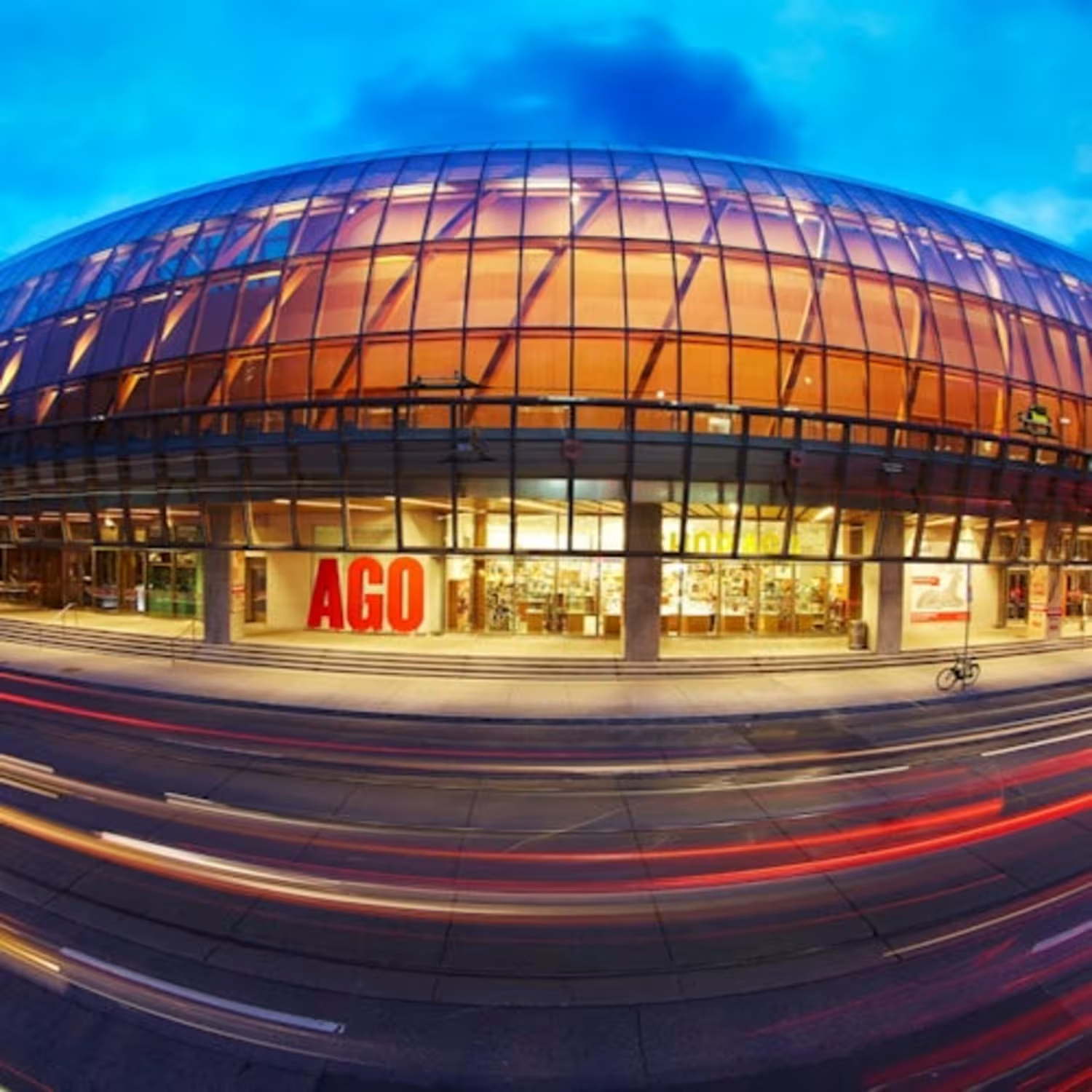
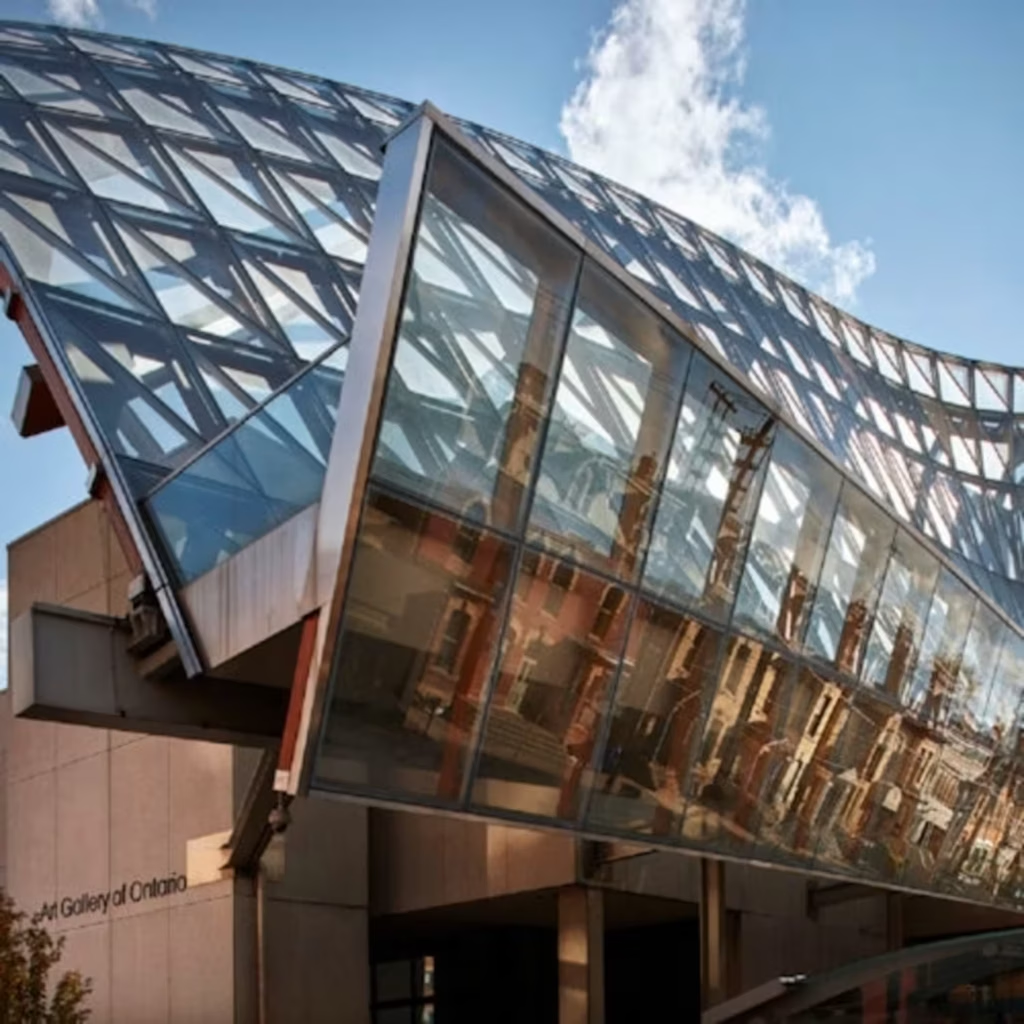
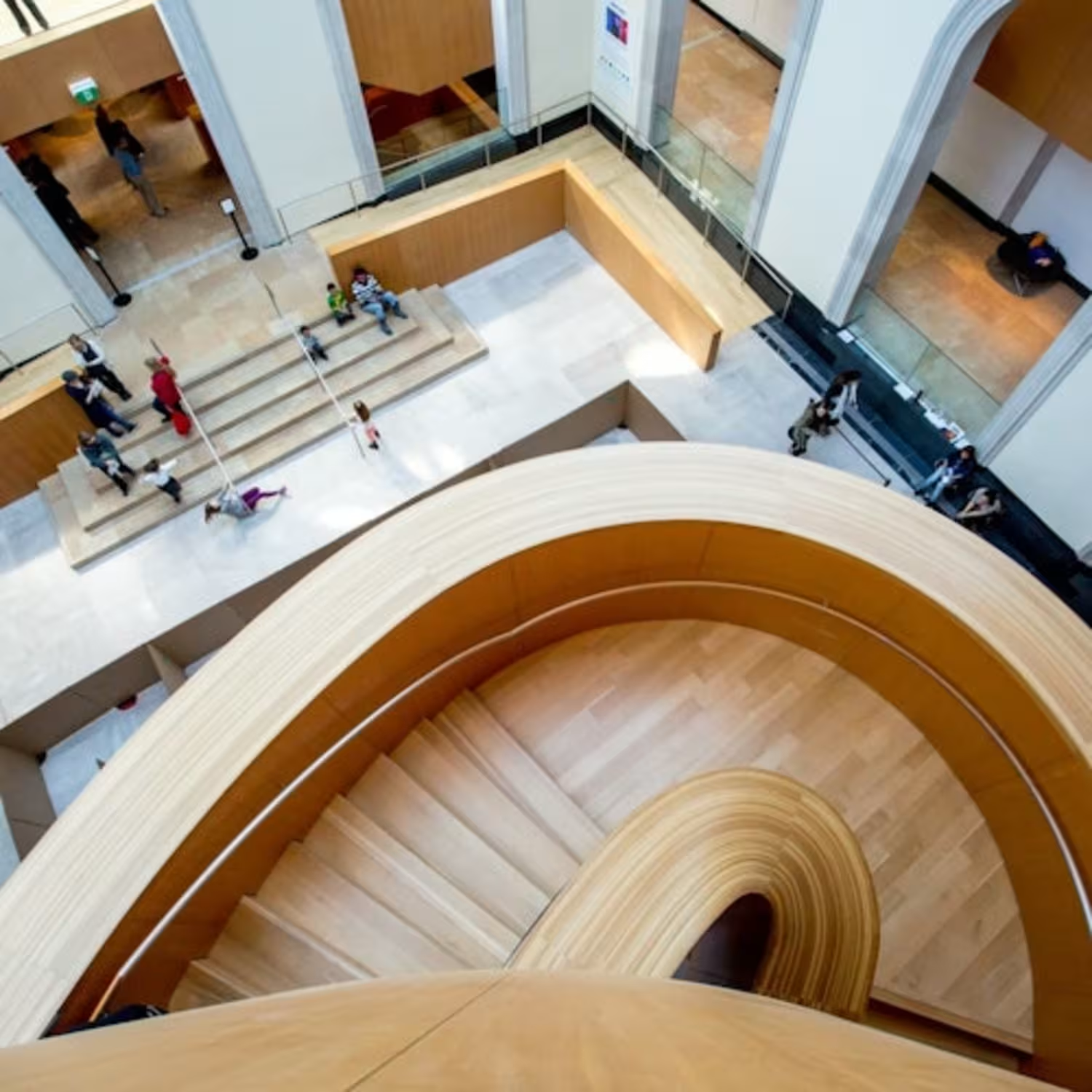
The building is part of the visit. Frank Gehry's Transformation AGO, built from 2005, opened on November 14, 2008. From Dundas Street you see the Galleria Italia, the glass and Douglas fir gallery that runs the length of a city block, and inside, Walker Court sits under a glass roof with 3,500 square feet of skylight and a Douglas fir spiral staircase. At the back, a second spiral staircase projects from the South Gallery Block between the fourth and fifth levels, which is the shot most architecture fans come for.

The oldest part of the complex is The Grange, a Georgian-style manor built in 1817 and a National Historic Site. The AGO acquired it through a bequest in 1911 and connected it to the main galleries in 1918.

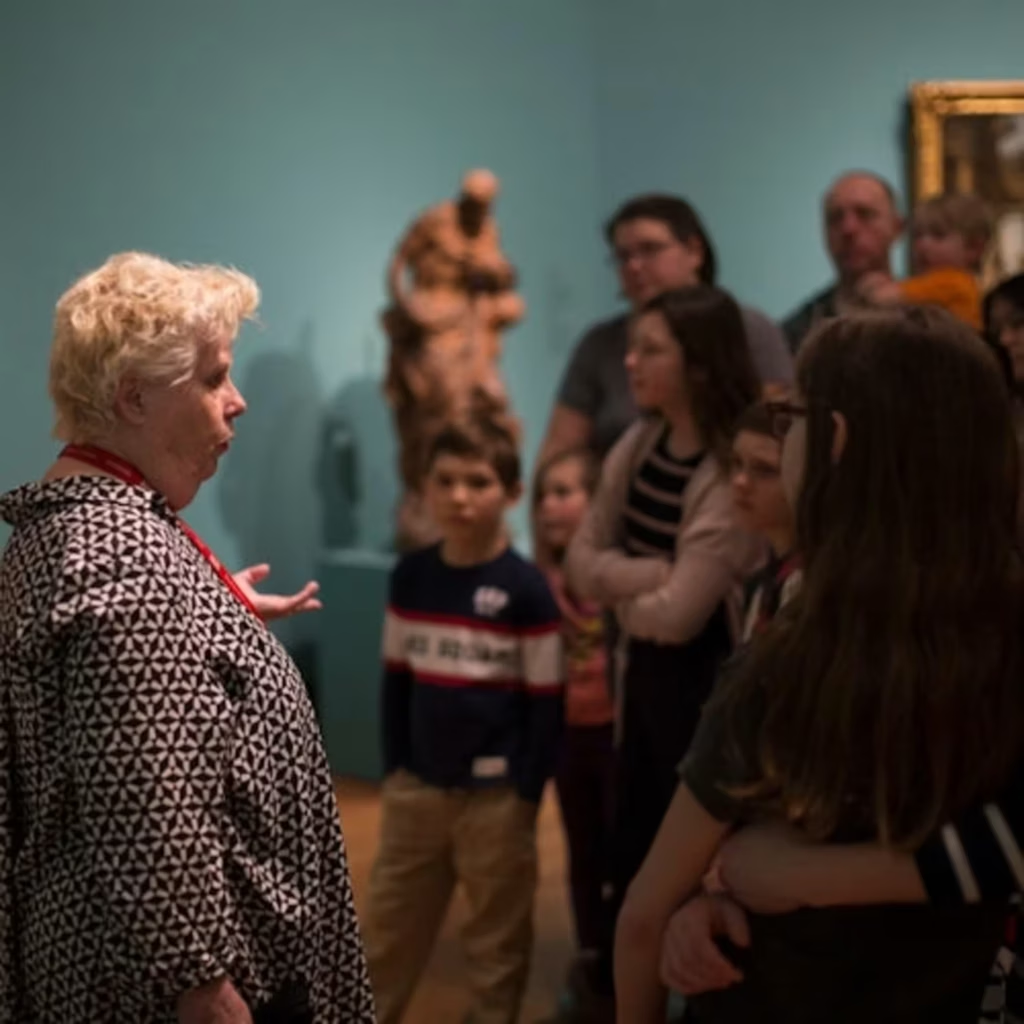
Families can also use the Weston Family Learning Centre, opened in October 2011, with 35,000 square feet of space for hands-on art activities.

Modern, contemporary art and photography

Contemporary gallery at the Art Gallery of Ontario

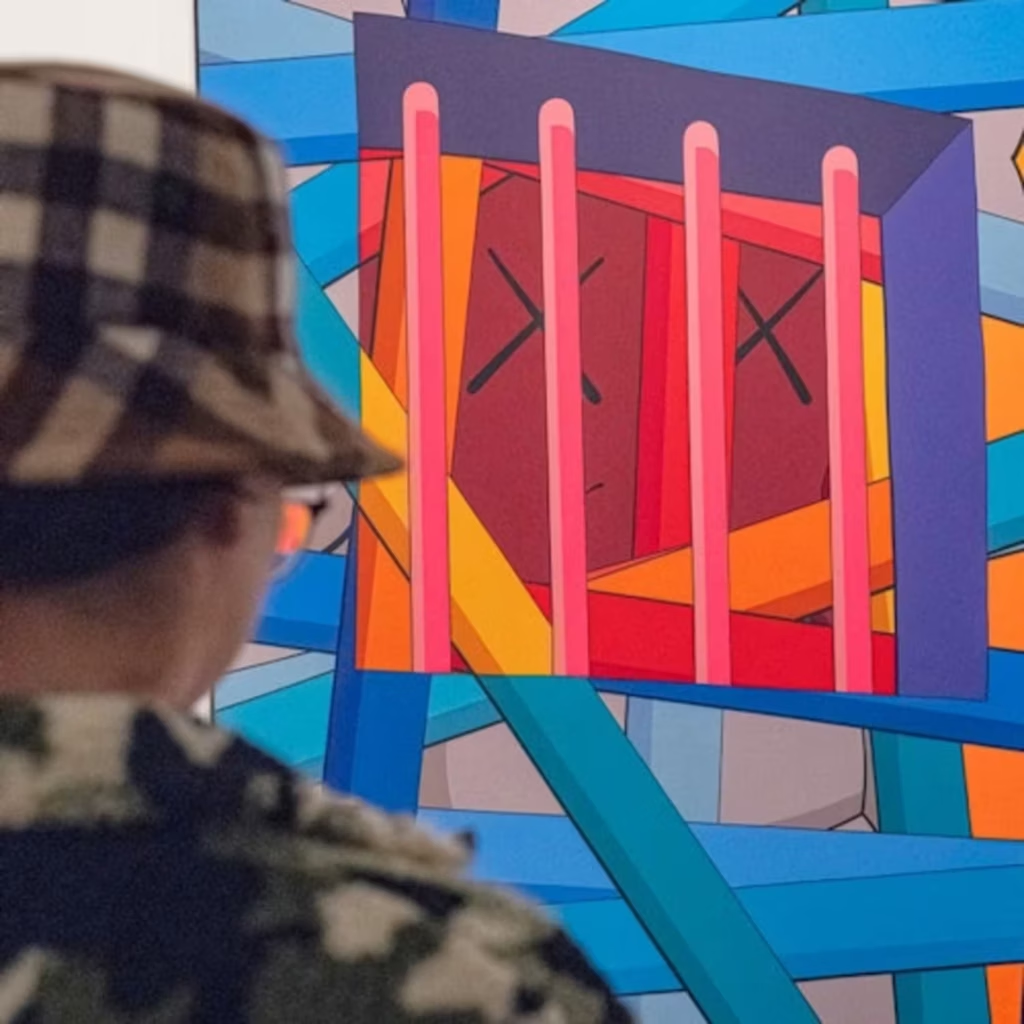
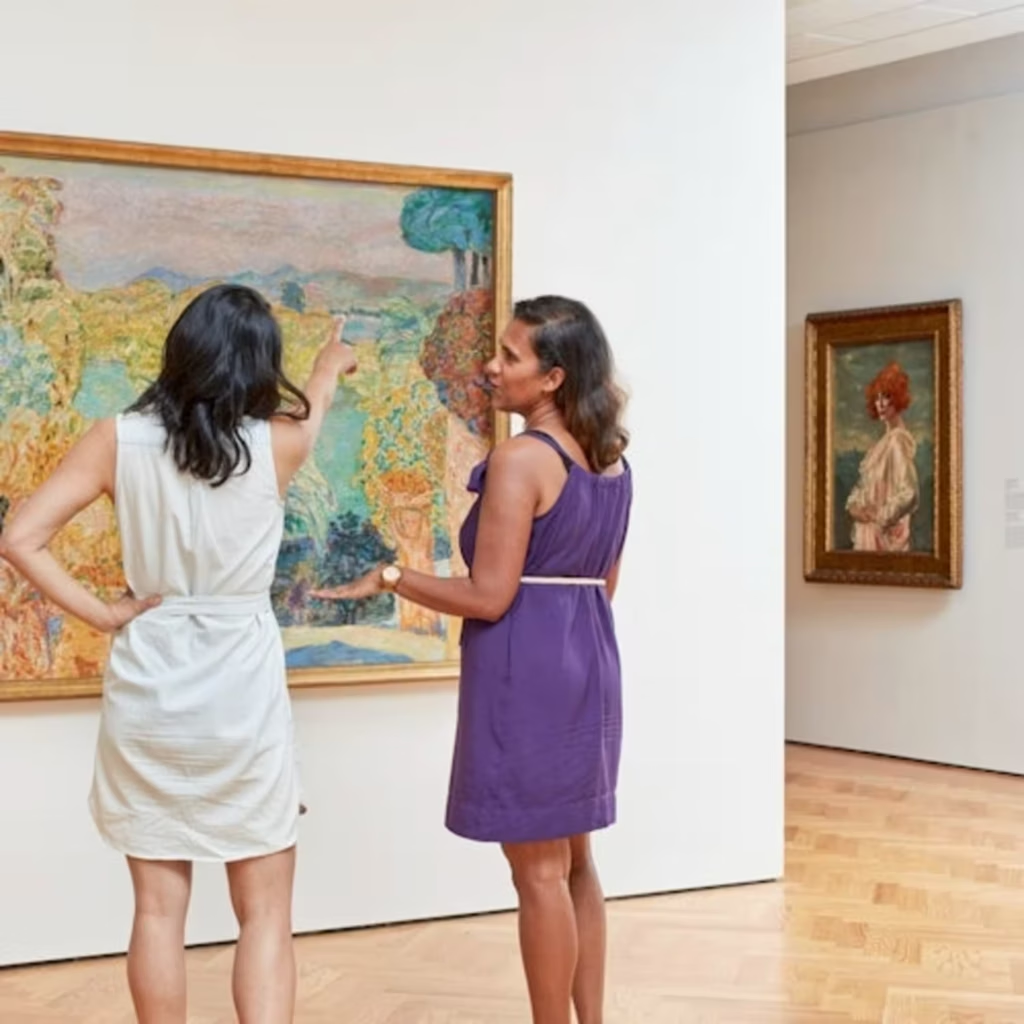
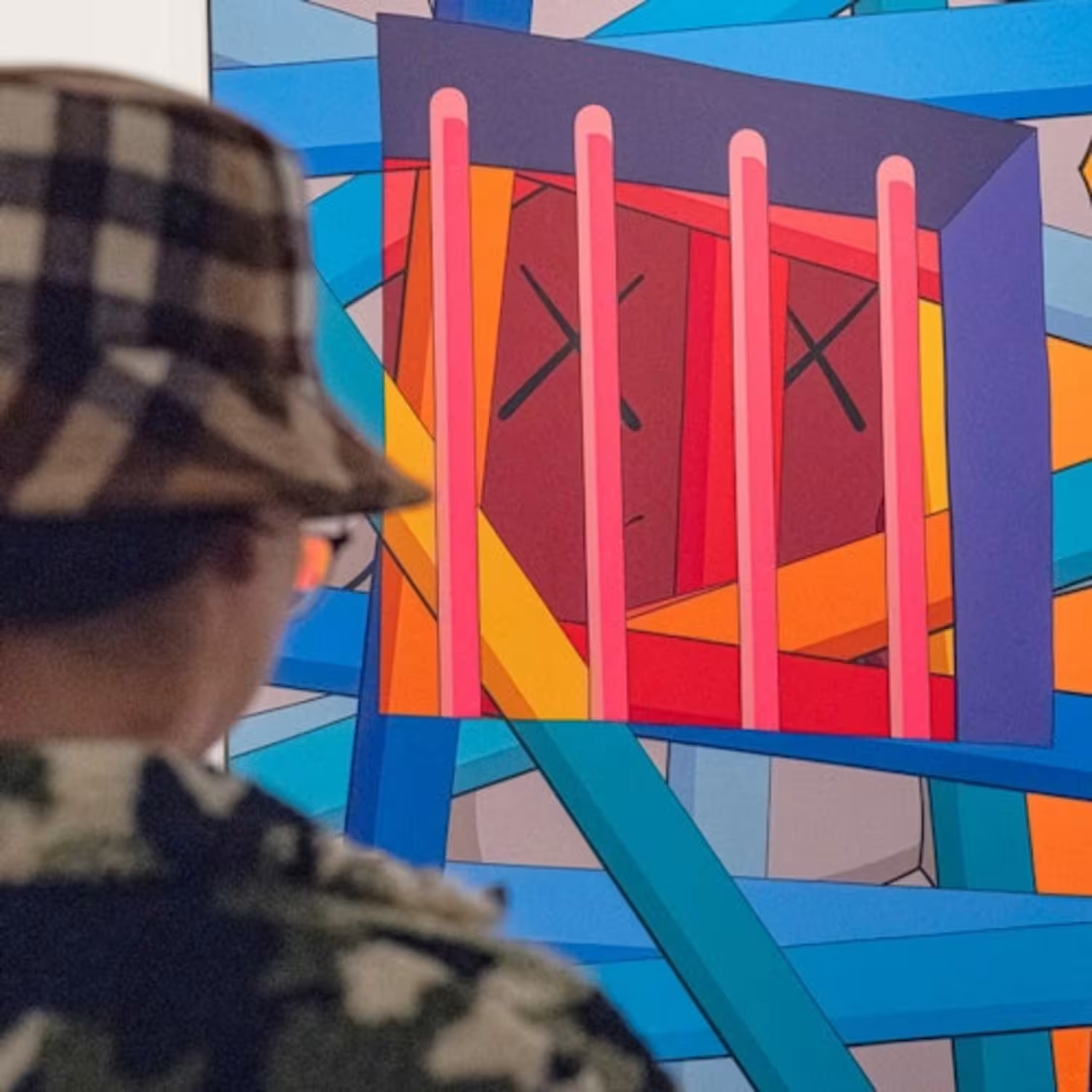
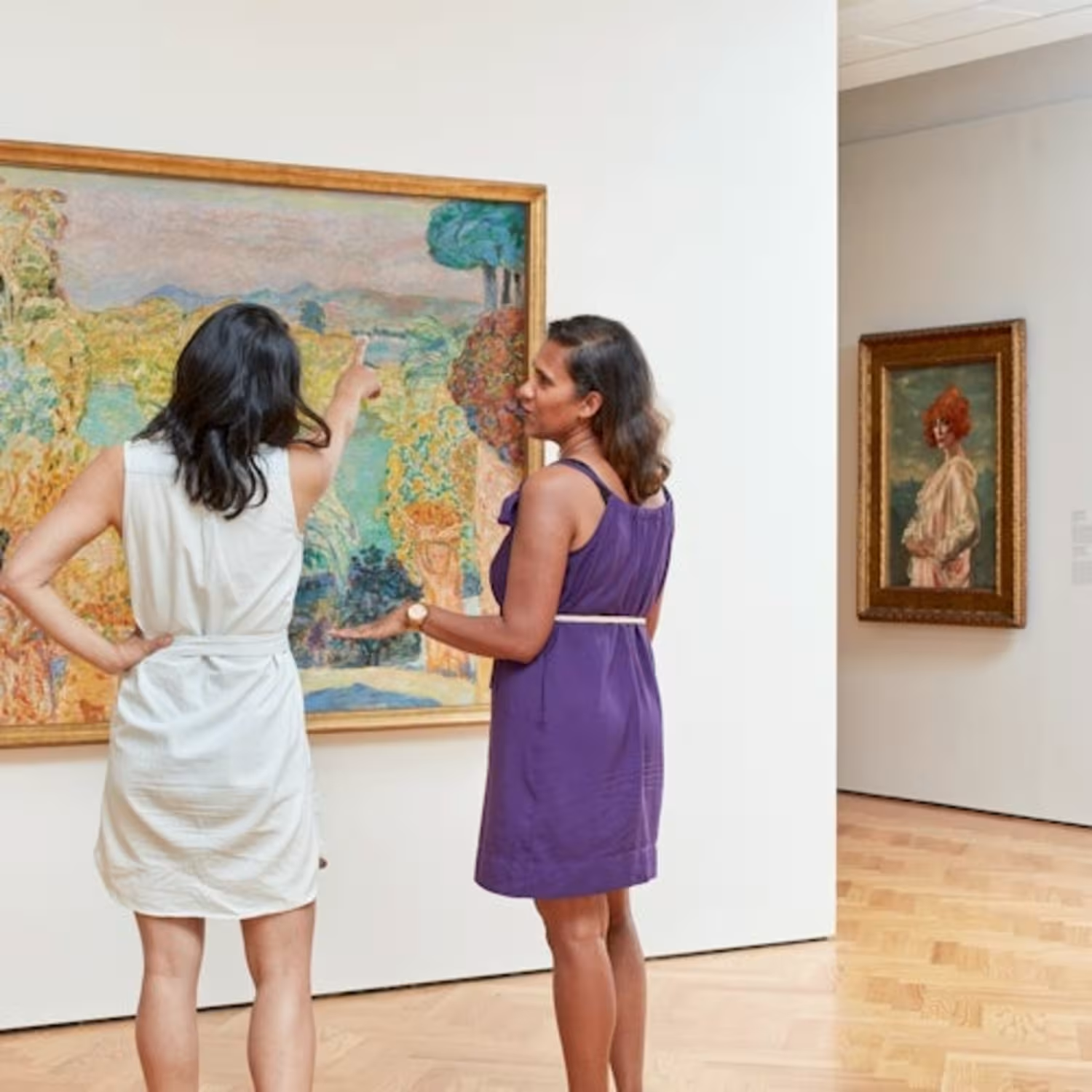
The modern collection covers American and European art from 1900 to 1960, and the contemporary collection covers international artists since 1960 and Canadian artists since 1990. Among the works in the collection are Gerhard Richter's Helga Matura (1966) and Augustus John's portrait The Marchesa Casati (1919).

Photography is one of the AGO's strongest areas, with more than 70,000 works covering the medium from the 1840s to today, and the prints and drawings collection spans Western works on paper from the 1400s onwards. Displays from these collections rotate, so what is on the walls changes from one visit to the next, alongside the gallery's temporary exhibitions.

A route through the AGO in half a day

Start on Level 2 with the Infinity Mirrored Room, before the line builds.

Stay on Level 2 for the Thomson Collection of Canadian art and the Group of Seven.

Continue to the Henry Moore Sculpture Centre and the European galleries for Rubens.

Walk the Galleria Italia and look down into Walker Court on the way.

Climb to the upper levels for contemporary art and the spiral staircase view.

Finish outside at Large Two Forms in Grange Park.

Quick tips before you go

The gallery is closed on Mondays.

Bags larger than 18 x 16 x 6 inches go to the coat check, which charges a fee and is not included in the ticket.

Food and drinks are not permitted inside the galleries.

Personal photography is allowed except where signs say otherwise.

Show your mobile voucher at the entrance kiosks.

St. Patrick station on Line 1 and the 505 Dundas streetcar are the closest transit stops.

Free entry at the AGO

Admission is free on the first Wednesday of each month from 6 to 9 pm. Free tickets are released online at 10 am on the Monday before, each booking is limited to two, every visitor needs one and the line starts outside the building. Our ticket gives you a reserved time slot on any other day.

Ontarians under 25 and Indigenous Peoples receive free admission under the AGO's own policy. Check the age bands / ticket options shown when you book.

Large Two Forms in Grange Park is outdoors and free.

Combine the AGO with more of Toronto

The AGO is a short ride from the museum district around Queen's Park. Compare it with the other museums in Toronto, such as the Royal Ontario Museum, whose dinosaur galleries make a good pairing, or add the Hockey Hall of Fame downtown. When you are ready, choose your entry on the Art Gallery of Ontario ticket page.

What to See at the AGO: FAQs

What is the most famous work at the Art Gallery of Ontario?

The best-known works include Yayoi Kusama's Infinity Mirrored Room, Rubens' The Massacre of the Innocents and Tom Thomson's The West Wind.

Where is the Infinity Mirrored Room at the AGO?

INFINITY MIRRORED ROOM - LET'S SURVIVE FOREVER is in the Sam and Ayala Zacks Pavilion on Level 2.

Is the Infinity Mirrored Room included in general admission?

Yes. Entry is included in general admission on a first-come, first-served basis. Visits last 60 seconds, with up to four people in the room at a time.

How many works does the AGO have?

The collection holds more than 120,000 works, including more than 70,000 photographs, from the Middle Ages to today.

Where can I see the Group of Seven at the AGO?

The Thomson Collection of Canadian art, including Group of Seven works, is shown on Level 2, with signature pieces on Level 1 as well.

What is the Thomson Collection?

A gift of about 2,000 works from Ken Thomson, the largest ever made to a Canadian cultural institution. It includes Rubens' The Massacre of the Innocents, 145 Krieghoff paintings and 130 ship models.

Does the AGO have Henry Moore sculptures?

Yes. The Henry Moore Sculpture Centre, opened in 1974, holds the largest public collection of Moore's work in the world, and Large Two Forms stands outside in Grange Park.

Does the AGO have Inuit art?

Yes. The AGO calls its Inuit collection one of the largest and finest in the world, with about 2,800 sculptures, 1,300 prints and 700 drawings and wall hangings.

Who designed the AGO building?

Frank Gehry designed Transformation AGO, which opened on November 14, 2008. The oldest part of the complex, The Grange, was built in 1817.

Is the AGO free on Wednesdays?

Admission is free on the first Wednesday of each month from 6 to 9 pm, with tickets booked online in advance and released the Monday before. Our ticket gives you a reserved time slot on any other day.

Who gets free admission to the AGO?

Ontarians under 25 and Indigenous Peoples receive free admission under the AGO's own policy. Check the age bands and ticket options shown when you book.

About this guide

Sources: Art Gallery of Ontario, About the Collection; Art Gallery of Ontario, The Thomson Collection; Art Gallery of Ontario, General Information Fact Sheet; Art Gallery of Ontario, Infinity returns press release; Art Gallery of Ontario, Visit Free; Art Gallery of Ontario, First Wednesday Night Free; Wikipedia, Art Gallery of Ontario; Reader's Digest Canada, 10 Things You Must See at the Art Gallery of Ontario.